Emotional Growth in Children: The Power of Art
- Rochelle Coetzee
- Nov 4, 2025
- 3 min read

Children experience the world through their senses, feelings, and interactions. One of the most effective ways to support their emotional growth is through art. Art offers children a unique language to express emotions they might not yet have words for. It helps them understand themselves and others better, building emotional intelligence that lasts a lifetime.
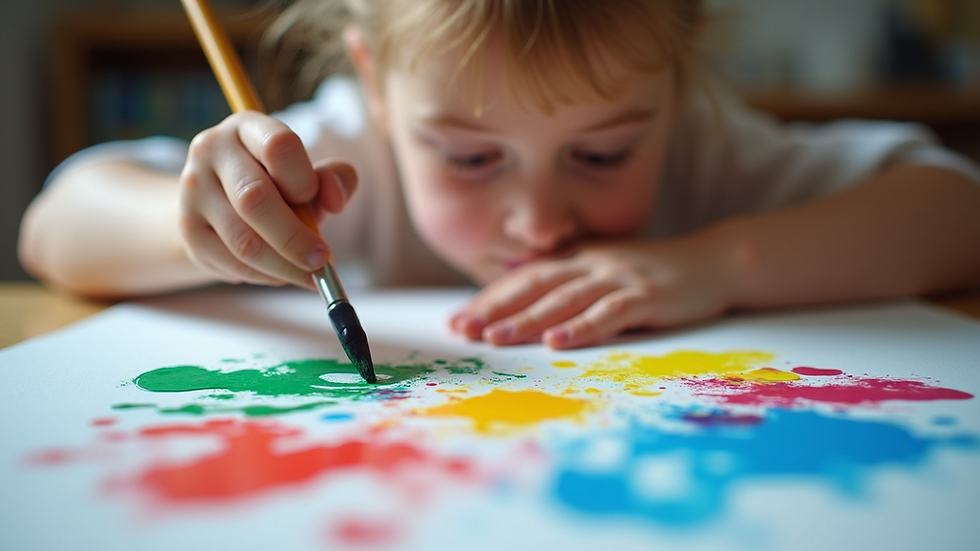
How Art Helps Children Understand Emotions
Children often struggle to name or explain their feelings. Art provides a safe space for them to explore emotions like joy, fear, anger, or sadness without pressure. When children draw or paint, they translate their inner world into shapes, colors, and forms. This process helps them:
Recognize different emotions
Practice self-expression
Develop empathy by imagining others’ feelings
For example, a child who paints a stormy sky might be expressing anxiety or confusion. Talking about the artwork can open a conversation about what’s troubling them, helping adults support the child’s emotional needs.
Building Emotional Vocabulary Through Art
Emotional vocabulary is crucial for children to communicate effectively. Art activities encourage children to describe their creations and the feelings behind them. This practice expands their emotional vocabulary in ways that traditional conversations might not.
Teachers and parents can ask questions like:
What made you choose these colors?
How does this picture make you feel?
Can you tell me a story about your drawing?
These questions invite children to reflect on their emotions and share their experiences. Over time, children learn to identify and name feelings, which improves their ability to manage emotions and resolve conflicts.
Art as a Tool for Emotional Regulation
Emotional regulation means managing feelings in a healthy way. Art can be a calming activity that helps children process overwhelming emotions. When children focus on creating, their minds shift away from stress or frustration.
Activities like coloring, sculpting with clay, or simple doodling can:
Lower anxiety levels
Improve concentration
Provide a sense of control
For instance, a child upset after a difficult day might find comfort in molding clay figures. The tactile experience grounds them and offers a constructive outlet for their feelings.
Encouraging Social Skills Through Group Art Projects
Art is not only a personal journey but also a social one. Group art projects teach children cooperation, sharing, and respect for others’ ideas. Working together on a mural or collage requires communication and compromise.
These experiences help children:
Develop teamwork skills
Understand different perspectives
Build friendships
When children collaborate on art, they practice listening and expressing themselves clearly. These social skills are essential for emotional growth and future relationships.
Supporting Emotional Growth at Home and School
Parents and educators play a vital role in nurturing emotional growth through art. Here are practical ways to encourage this development:
Provide diverse art materials and space for creativity
Celebrate all forms of expression without judgment
Use art to start conversations about feelings
Incorporate storytelling with art activities
Encourage regular art time as part of daily routine
Creating a supportive environment where children feel free to express emotions through art strengthens their confidence and emotional resilience.
Real-Life Example: Art Therapy in Schools
Many schools have introduced art therapy programs to support students’ emotional well-being. In one case, a school counselor used painting sessions to help children cope with anxiety related to family changes. Over several weeks, children showed improved mood and better communication skills.
This example highlights how art can be a powerful tool in emotional healing and growth, especially when combined with guidance from caring adults.
The Lasting Impact of Art on Emotional Development
Children who engage regularly in art tend to develop stronger emotional intelligence. They become better at recognizing their feelings, expressing themselves clearly, and understanding others. These skills contribute to:
Improved mental health
Better academic performance
Stronger relationships
Art nurtures the whole child, supporting emotional growth that benefits every aspect of life.
Encouraging children to explore their emotions through art is a simple yet powerful way to support their development. Whether at home or school, providing opportunities for creative expression helps children build emotional skills that shape their future. Next time you see a child with a paintbrush or crayons, remember they are not just making art—they are growing emotionally. Consider setting aside time and space for children to create, and watch how their emotional world unfolds through color and form.

Comments