Unlocking Creativity: Art Workshops for Kids
- Rochelle Coetzee
- Nov 4, 2025
- 4 min read

Creativity is a vital skill that shapes how children think, solve problems, and express themselves. Yet, many kids do not get enough opportunities to explore their creative potential in everyday life. Art workshops offer a unique space where children can experiment, learn new skills, and build confidence through hands-on activities. This post explores how art workshops unlock creativity in kids, the benefits they provide, and practical tips for parents and educators to make the most of these experiences.
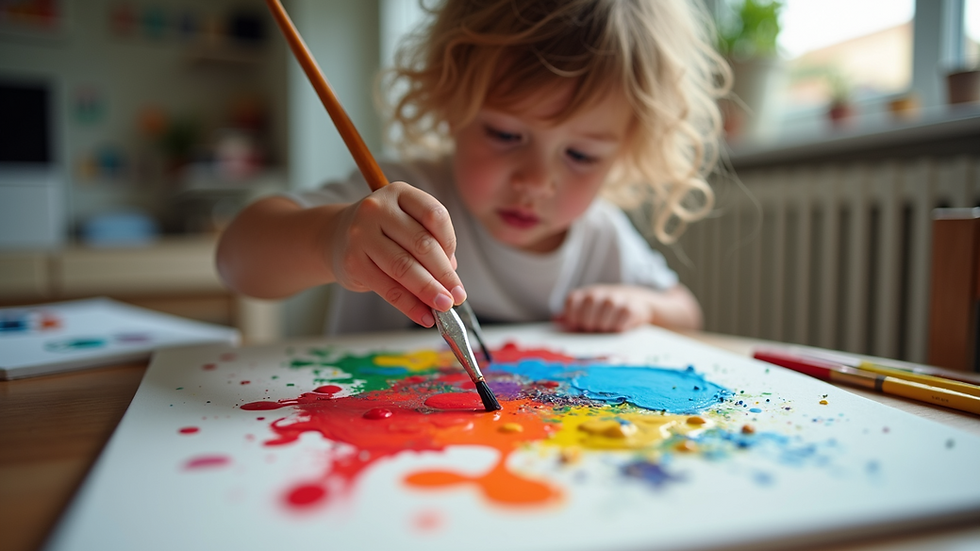
Why Creativity Matters for Children
Creativity goes beyond making pretty pictures. It helps children develop critical thinking, emotional intelligence, and communication skills. When kids engage in creative activities, they learn to:
Think outside the box by exploring different ideas and solutions.
Build resilience by experimenting and learning from mistakes.
Express emotions in a safe and constructive way.
Improve focus and patience through detailed work.
Boost self-esteem by completing projects and sharing their work.
Research shows that creative skills are linked to academic success and future career opportunities. Encouraging creativity early sets a foundation for lifelong learning and adaptability.
What Makes Art Workshops Effective for Kids
Art workshops designed for children differ from casual art time at home or school. They provide a structured yet flexible environment where kids can:
Explore various art forms such as painting, sculpture, collage, and printmaking.
Use quality materials that inspire experimentation.
Receive guidance from skilled instructors who encourage individual expression.
Work collaboratively with peers, fostering social skills.
Engage in themed projects that connect art to stories, nature, or culture.
These elements create a rich learning experience that keeps children motivated and curious.
Types of Art Workshops for Kids
There are many kinds of art workshops tailored to different age groups and interests. Some popular options include:
Painting and Drawing Workshops
These focus on basic techniques like color mixing, brushwork, and perspective. Kids learn to observe their surroundings and translate what they see or imagine onto paper or canvas.
Sculpture and Clay Modeling
Working with clay or other materials helps children develop fine motor skills and spatial awareness. They learn about form, texture, and balance while creating three-dimensional art.
Mixed Media and Collage
Combining different materials such as paper, fabric, and found objects encourages creativity and problem-solving. Kids experiment with layering and composition.
Printmaking and Stamping
These workshops introduce kids to processes like block printing or stamping, teaching them about patterns and repetition.
Digital Art Workshops
Older children may enjoy workshops that combine traditional art with digital tools, learning to create art using tablets or computers.
How to Choose the Right Art Workshop
Selecting the best workshop depends on your child’s interests, age, and personality. Consider these factors:
Age-appropriate content: Ensure the workshop matches your child’s developmental stage.
Instructor experience: Look for teachers who have experience working with children and who foster a positive, encouraging atmosphere.
Class size: Smaller groups allow for more individual attention.
Materials provided: Check if the workshop supplies materials or if you need to bring your own.
Location and schedule: Choose a convenient time and place to keep attendance consistent.
Reviews and recommendations: Ask other parents or read testimonials to gauge quality.
Benefits of Regular Participation in Art Workshops
Children who attend art workshops regularly gain more than just artistic skills. They develop habits and attitudes that support overall growth:
Improved concentration and discipline through focused activities.
Better communication skills by discussing their work and ideas.
Increased cultural awareness when workshops include themes from different traditions.
Stronger friendships formed through shared creative experiences.
Greater confidence in trying new things and expressing themselves.
Tips for Parents to Support Creativity at Home
Art workshops provide a great foundation, but creativity thrives with ongoing encouragement. Parents can help by:
Creating a dedicated art space with accessible supplies.
Encouraging experimentation without worrying about mistakes.
Displaying children’s artwork to celebrate their efforts.
Asking open-ended questions about their creations to stimulate thinking.
Incorporating art into daily routines like journaling or decorating.
Visiting museums or galleries to inspire new ideas.
How Educators Can Integrate Art Workshops in Schools
Schools can enhance learning by incorporating art workshops into their curriculum or after-school programs. Some strategies include:
Partnering with local artists or art centers to provide workshops.
Using art projects to complement subjects like history, science, or literature.
Encouraging cross-disciplinary collaboration between art and other teachers.
Offering workshops that cater to different skill levels and interests.
Providing professional development for teachers to lead creative activities.
Overcoming Common Challenges
Sometimes, parents or educators hesitate to enroll children in art workshops due to concerns about cost, time, or skill level. Here are ways to address these challenges:
Cost: Look for community centers, libraries, or nonprofits that offer free or low-cost workshops.
Time: Choose shorter sessions or weekend classes that fit busy schedules.
Skill level: Many workshops welcome beginners and focus on fun rather than perfection.
Interest: Let children try different types of workshops to find what excites them.
Real-Life Example: A Local Art Workshop Success Story
In a community center in Portland, Oregon, a weekly art workshop for kids aged 6 to 12 has transformed how children engage with creativity. The instructor, an experienced artist and educator, designs projects around nature themes. Children paint leaves, create clay animals, and make collages from recycled materials. Parents report that their kids come home excited to share what they made and show more confidence in school projects. The workshop also hosts an annual exhibition where children proudly display their work to family and friends.
This example shows how a well-run art workshop can inspire children and build a supportive creative community.
Art workshops offer children a valuable chance to explore their imagination, develop skills, and build confidence. Whether through painting, sculpture, or mixed media, these experiences help kids grow in many ways beyond art. Parents and educators can support creativity by choosing the right workshops and encouraging ongoing artistic expression at home and school. Unlocking creativity in children today prepares them to face tomorrow’s challenges with curiosity and confidence.

Comments